
visions of diaspora


Rabbi Everett Gendler “To Be A Jew in the Diaspora: An Affirmation”“No, all space is not the same, but from this it does not follow that there is only one proper place for religious experience and worship. With respect to the Land of Israel, it is helpful to remember that Abraham was spoken to by God outside of as well as within the land. The Torah was given in the desert. Moses, our greatest leader, never entered the land. The most influential Talmud is the Babylonian, not the Palestinian.”
Melanie Kaye Kantrowitz “The Colors of Jews”“Disaporism is committed to an endless paradoxical dance between cultural integrity and multi-cultural complexities. Diasporism depends not on dominance but on balance, perpetual back and forth, home and away, community and outside, always slightly on the edge, except perhaps at intensely personal moments in the family created by blood or by love, or at moments of transcendent solidarity.”
Aurora Levins Morales "Nadie la tiene: Land, Ecology and Nationalism”“How do we hold in common not only the land, but all the fragile, tenacious rootedness of human beings to the ground of our histories, the cultural residues of our daily work, the individual and tribal longings for place? How do we abolish ownership of land and respect people's ties to it? How do we shift the weight of our times from the single-minded nationalist drive for a piece of territory and the increasingly barricaded self-interest of even the marginally privileged toward a rich and multilayered sense of collective heritage?”
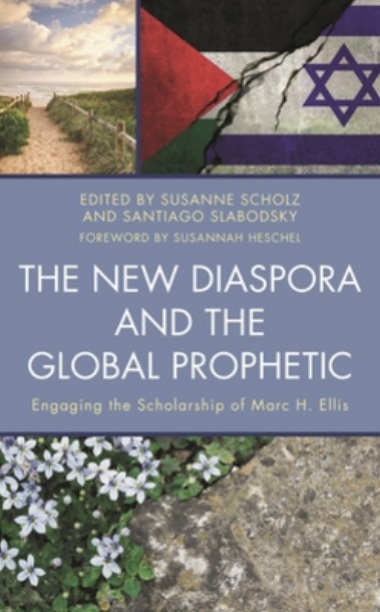
Marc Ellis “The New Diaspora and the Global Prophetic”
“What I know is that the New Diaspora sheds light on our exile condition and the future of our planet. The New Diaspora, named and unnamed, is a future already arrived.”
Naomi Klein “We Need an Exodus from Zionism”
“Our Judaism is the Judaism of the Passover Seder: the gathering in ceremony to share food and wine with loved ones and strangers alike, the ritual that is inherently portable, light enough to carry on our backs, in need of nothing but each other: no walls, no temple, no rabbi, a role for everyone, even – especially – the smallest child. The Seder is a diaspora technology if ever there was one, made for collective grieving, contemplation, questioning, remembering and reviving the revolutionary spirit.”
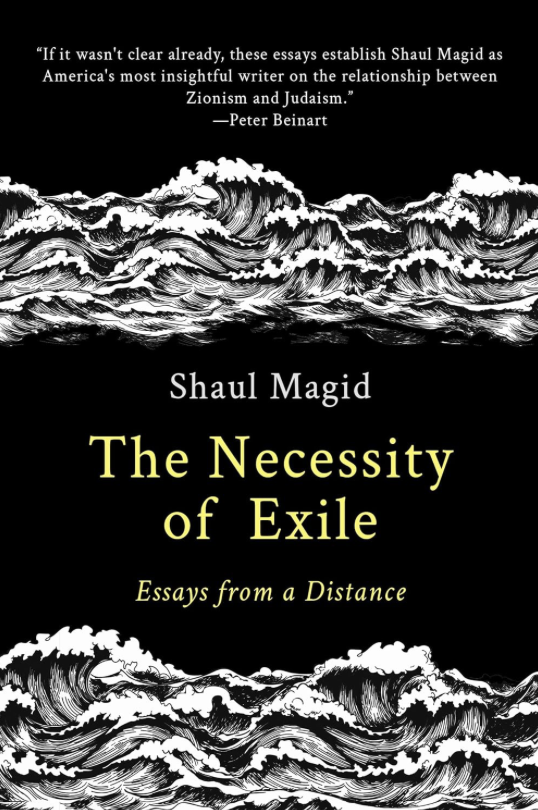
Shaul Magid “The Necessity of Exile”
“After seventy-five years since the founding of the State of Israel, the case for maintaining, and in some cases cultivating, an exile ethos and existential posture is more necessary than ever.”
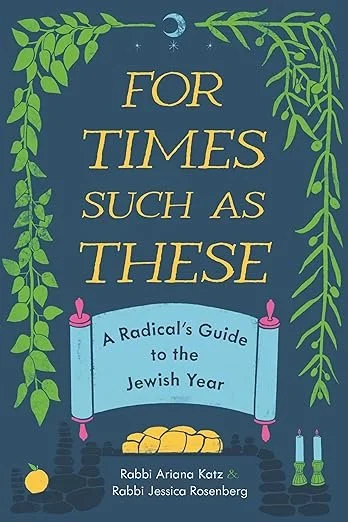
Rabbis Ariana Katz & Jessica Rosenberg “For Times Such as These”
“Radical diasporism commits us to the project of creating forms of governance and resource sharing outside of the state. Radical diasporism insists we get to know the land we live on, honor the original inhabitants, and understand ourselves as interdependent parts of the ecosystems in which we dwell. Radical diasporism understands that, in the words of Black Elk as taught to us through the poetry of Ursula K. Le Guin, every land is the holy land. We know all land is sacred, and we strive to act accordingly.”
Judith Butler “Parting Ways: Judaism and the Critique of Zionism”“Being a Jew implies taking up an ethical relation to the non-Jew, and this follows from the diasporic condition of Jewishness where living in a socially plural world under conditions of equality remains an ethical and political ideal.”
You can learn more about our take on diaspora in our FAQ.