Rabbi Everett Gendler, “To Be A Jew in the Diaspora: An Affirmation.”“No, all space is not the same, but from this it does not follow that there is only one proper place for religious experience and worship. With respect to the Land of Israel, it is helpful to remember that Abraham was spoken to by God outside of as well as within the land. The Torah was given in the desert. Moses, our greatest leader, never entered the land. The most influential Talmud is the Babylonian, not the Palestinian.”

visions of diaspora
Melanie Kaye Kantrowitz, “The Color of Jews.”“Disaporism is committed to an endless paradoxical dance between cultural integrity and multi-cultural complexities. Diasporism depends not on dominance but on balance, perpetual back and forth, home and away, community and outside, always slightly on the edge, except perhaps at intensely personal moments in the family created by blood or by love, or at moments of transcendent solidarity.”


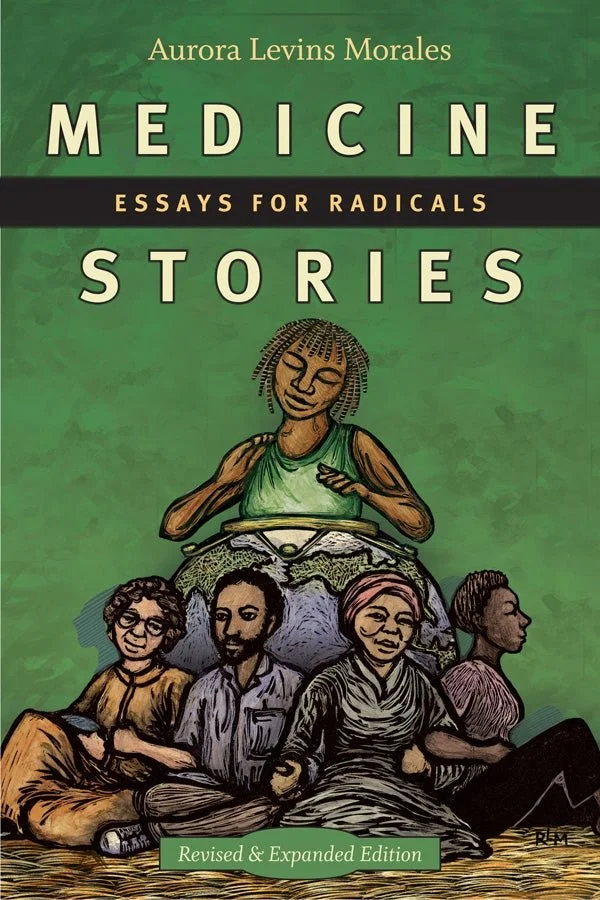
Aurora Levins Morales, "Nadie la tiene: Land, Ecology and Nationalism.”“How do we hold in common not only the land, but all the fragile, tenacious rootedness of human beings to the ground of our histories, the cultural residues of our daily work, the individual and tribal longings for place? How do we abolish ownership of land and respect people's ties to it? How do we shift the weight of our times from the single-minded nationalist drive for a piece of territory and the increasingly barricaded self-interest of even the marginally privileged toward a rich and multilayered sense of collective heritage?”
Judith Butler, “Parting Ways: Judaism and the Critique of Zionism”“Being a Jew implies taking up an ethical relation to the non-Jew, and this follows from the diasporic condition of Jewishness where living in a socially plural world under conditions of equality remains an ethical and political ideal.”